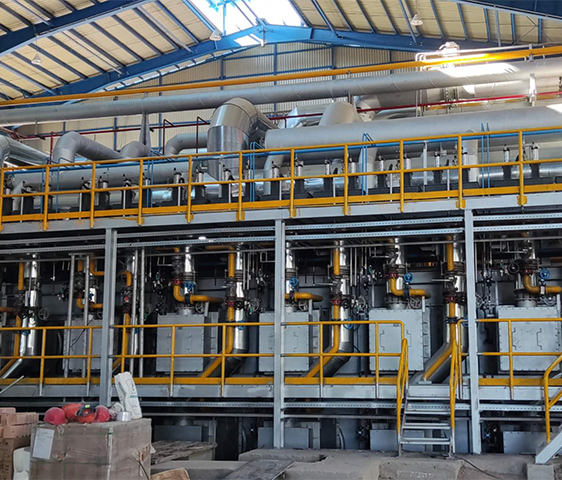
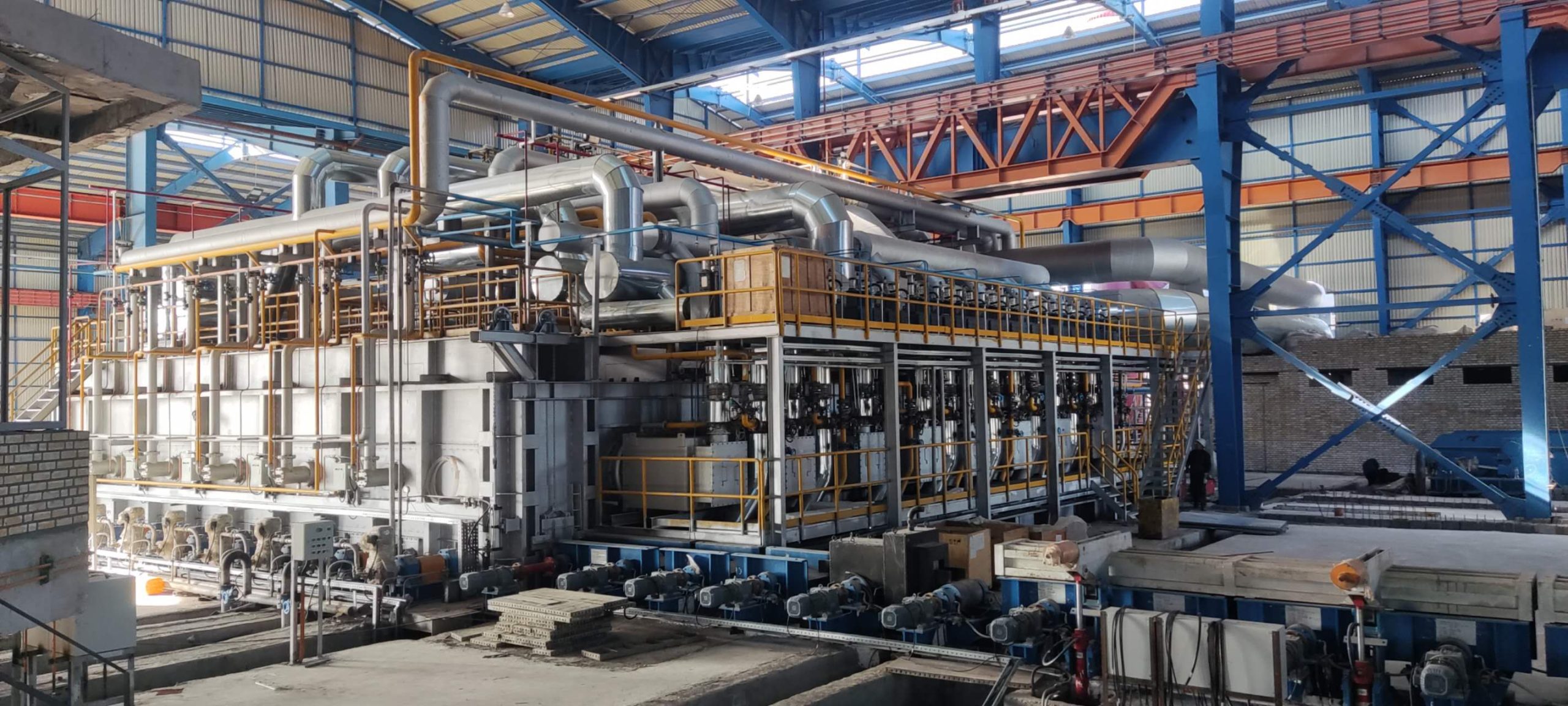
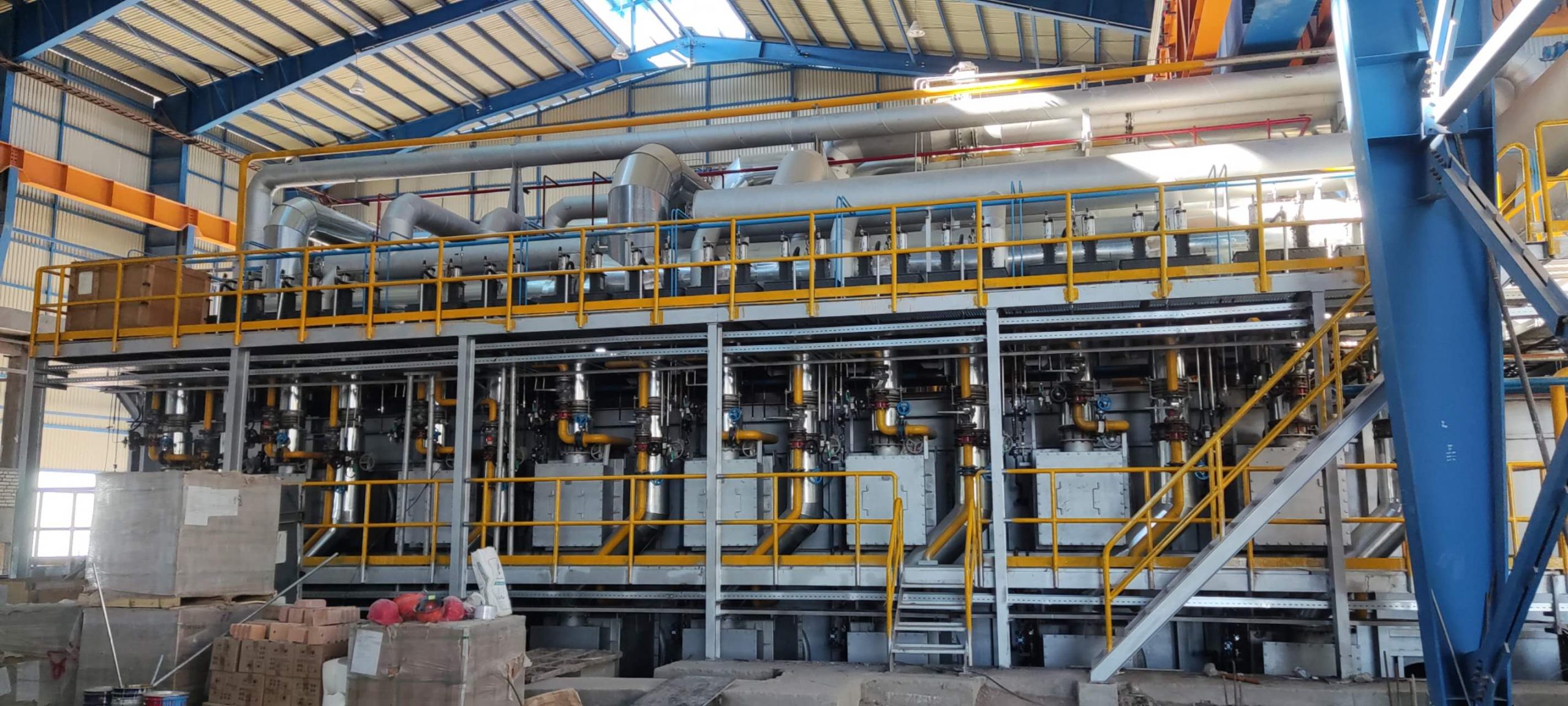
·Fixed Beams: Support the billet during heating.
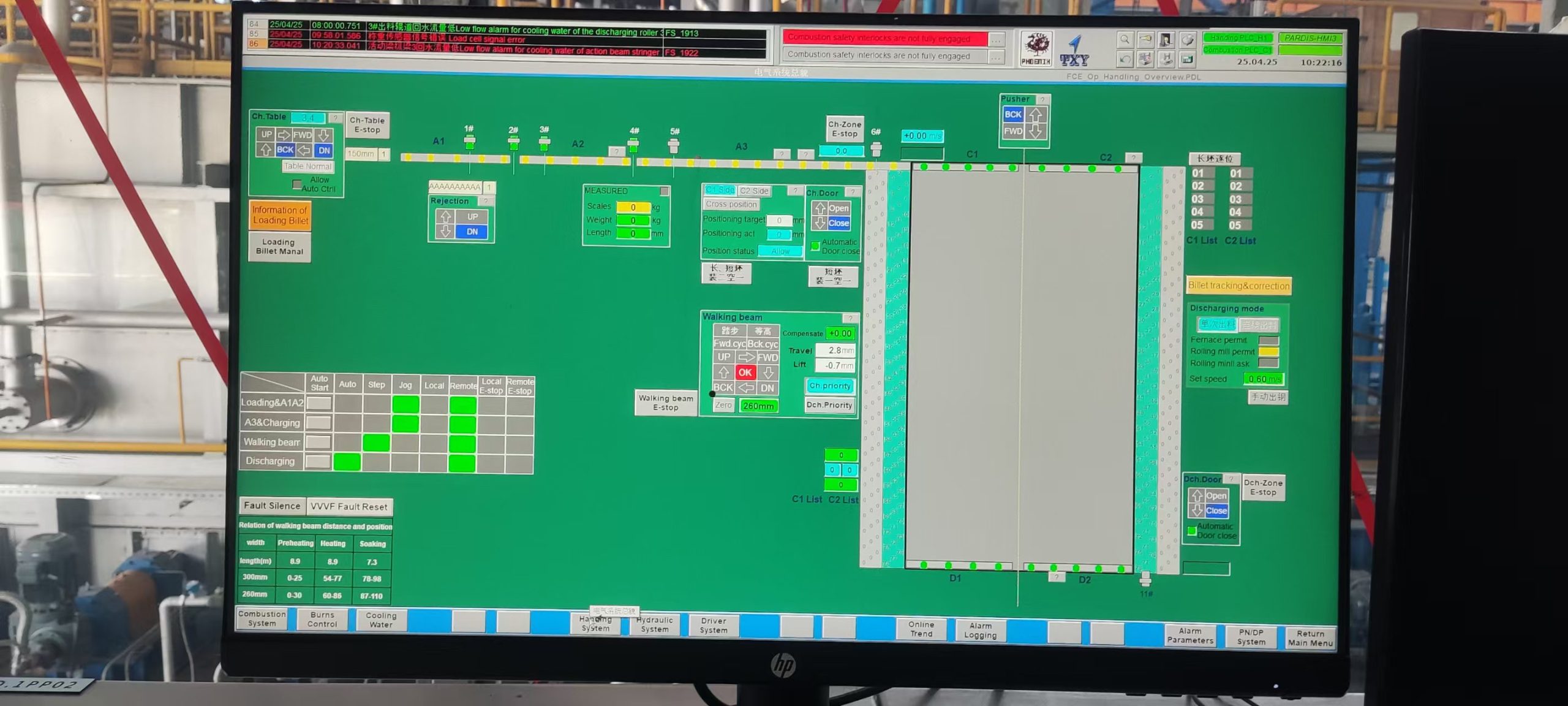
·Walking Beams: Intermittently lift and advance the billets step by step.
This mechanical layout allows billets to move through the furnace without friction or surface damage, ensuring smooth and controlled heating. The mechanism is typically powered by hydraulic or mechanical actuators, and it provides synchronized lifting and horizontal motion, guaranteeing efficient material transfer throughout the heating zones.
(pre-heating, soaking, and temperature homogenization sections)
Design options also include single-strand or multi-strand walking beams, depending on production volume and billet dimensions.
The furnace layout is engineered to maximize heat recovery and energy efficiency, often integrating regenerative or recuperative burners, waste heat boilers, and low-NOx combustion technology. Insulation materials are selected for high thermal resistance to reduce energy loss.
ensures consistent metallurgical properties
regenerative burners and optimized insulation
precise control of zone temperatures and walking frequency
flexible for future expansion or process changes
designed for continuous heavy-duty operation
| Parameter | Specification Range |
| Furnace Type | Walking Beam Type Reheating Furnace |
| Heating Material | Billets, Blooms, Slabs |
| Heating Temperature | Up to 1300°C |
| Fuel Type | Natural Gas / Coke Oven Gas / Diesel / LPG |
| Capacity | 20–200+ tons per hour |
| Beam Type | Hydraulic / Mechanical |
| Furnace Length | 30–100+ meters (customized layout) |
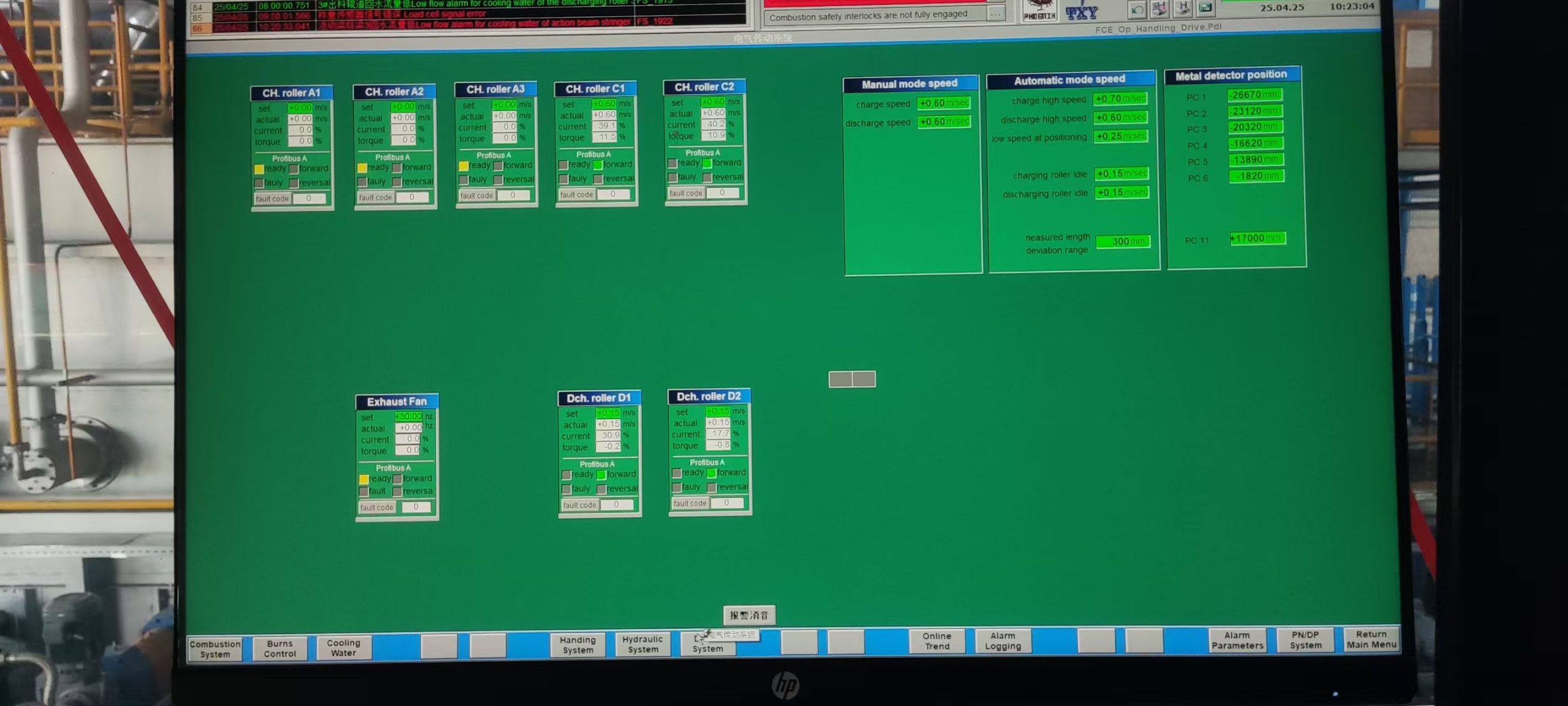
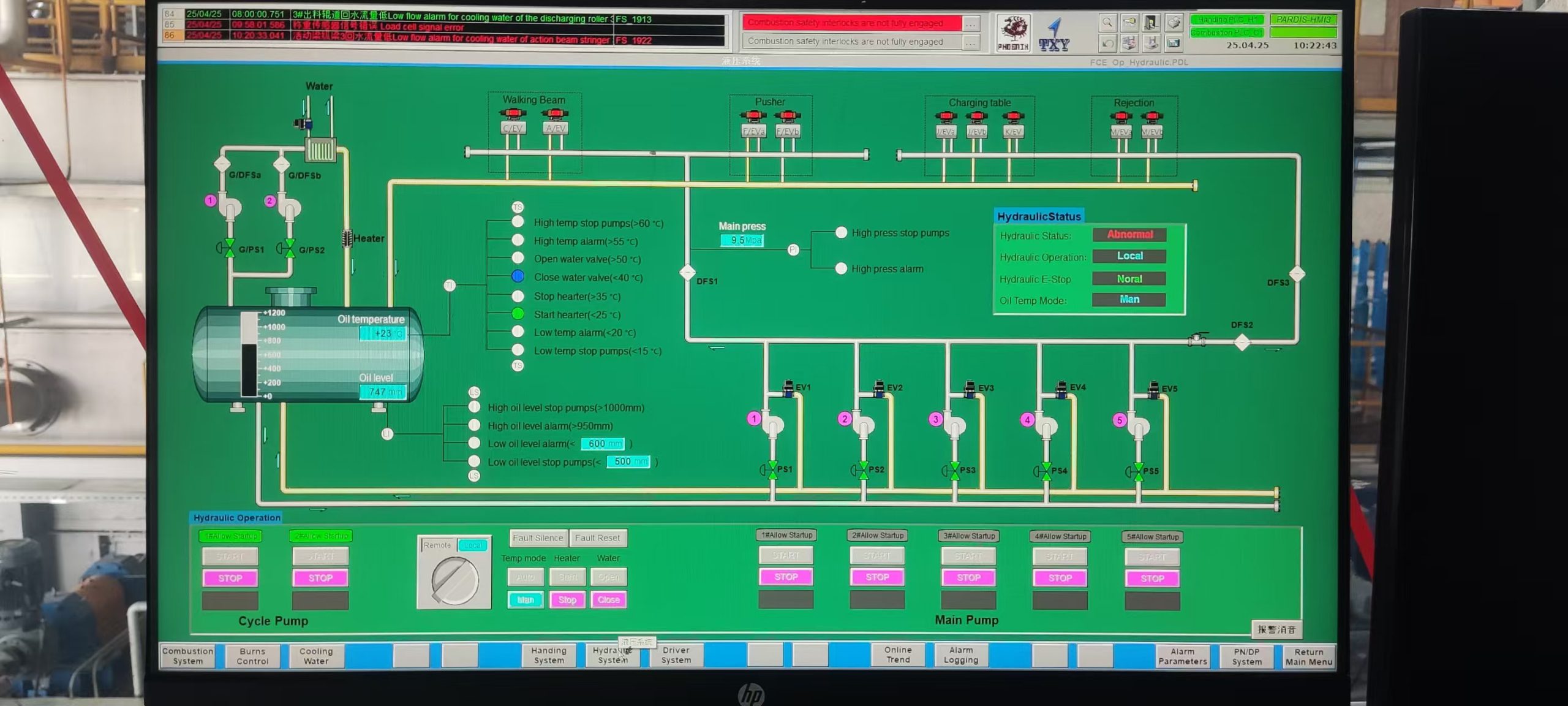
| Control System | PLC + HMI (SCADA optional) |
| Temperature Uniformity | ±10°C across billet surface |
| Atmosphere Control | Optional for oxidation-sensitive materials |
based on plant size, production flow, and billet dimensions
for retrofitting or upgrading legacy systems
for corrosion or high-wear environments
systems designed per local regulations
with remote monitoring, fault detection, and process optimization
for installation, training, commissioning, and lifetime support
billet reheating before hot rolling
heating for open-die or closed-die forging
large-section steel heating
billet reheating for piercing
Its flexibility and reliability make it a critical component in high-performance metal processing lines.


