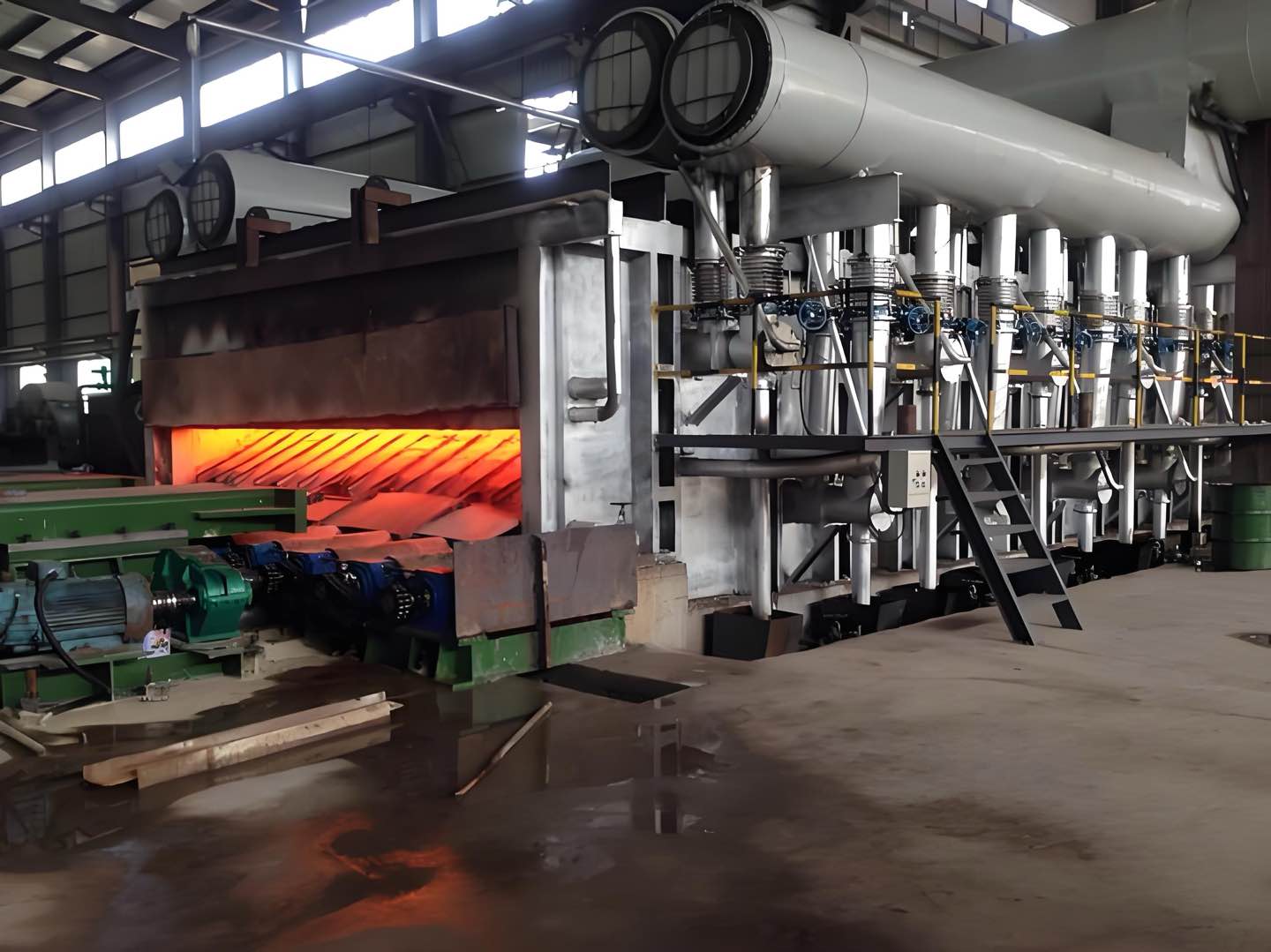
Equipped with a hydraulic or servo-electric pushing mechanism, supporting single push loads up to 15 tons, ensuring stable and high-load material transfer.
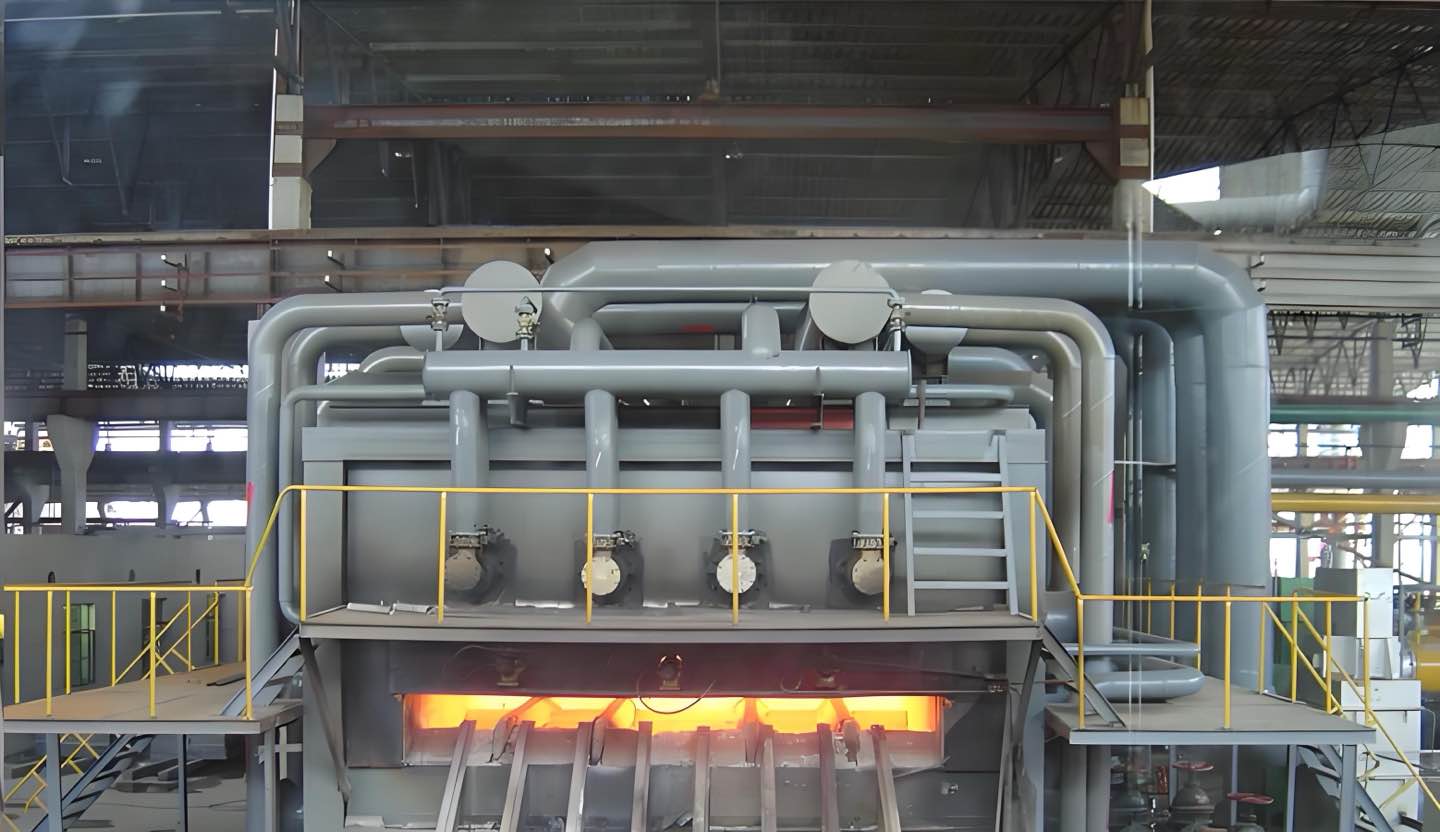
Available in two-zone (preheating + heating) or three-zone (preheating + heating + soaking) layouts, with precise control accuracy of ±5 °C.
up to 1,700 °C using MoSi₂ elements.
up to 1,800 °C via direct flame or radiant tube burners.
Incorporates lightweight ceramic fiber linings for rapid thermal cycling and low heat loss.
Customizable length of heating, soaking, and cooling zones. Each section can be isolated with baffles and independent gas supply to maintain temperature and atmosphere uniformity.
Optional gas-tight furnace casing and airlock chambers for entry/exit to maintain controlled O₂ levels, suitable for reduction or high-purity processes.
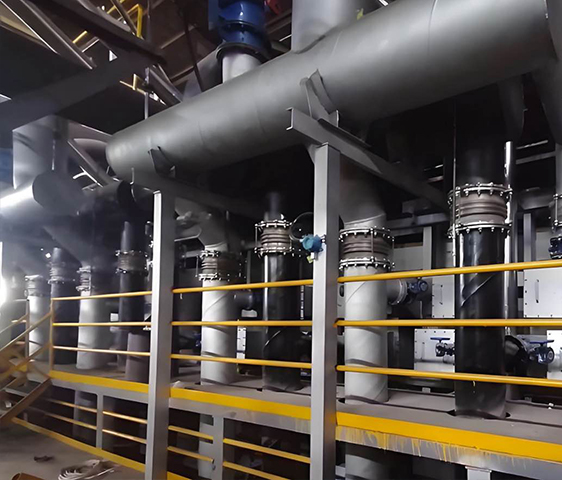
Direct, indirect, or chemical cooling systems with CFD-optimized design to minimize cycle time and recover waste heat.
Standard hearth widths include 6”, 8”, 12”, with custom sizes available. Heating zone length up to 25 meters.
Requires refractory concrete foundation with level tolerance of ±2 mm/m. Skid rails or rollers must be made of wear- and heat-resistant alloys.
·Electric: Requires high-capacity transformers and SCR-regulated power cabinets.
·Gas: Operates on low-pressure natural gas or LPG (20–50 kPa) with zero-pressure and proportional valves.
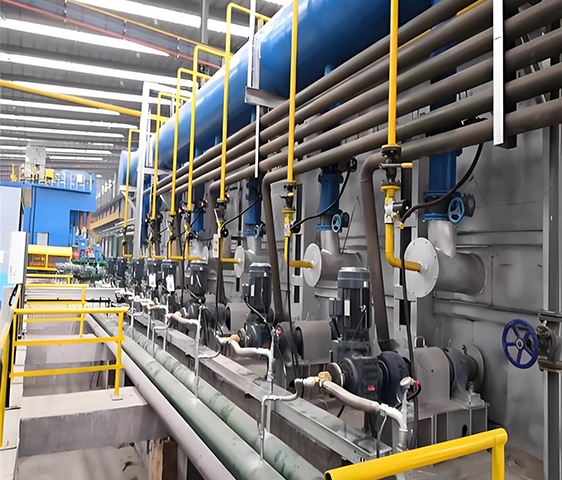
Inlet temperature ≤ 32 °C, pressure 0.2–0.4 MPa, flow rate depends on furnace size.
PLC + HMI-based system supporting OPC-UA/Modbus integration with MES. Includes key interlocks per NFPA 86 or EN 746-2 for gas pressure, flame detection, overtemperature, and pushing overload.
Periodic inspection of pusher hydraulic oil, refractory lining condition, and heating elements/radiant tubes. Annual calibration for temperature control and hot leak test recommended.


