Softens metals, refines grain structure, and improves machinability
Increases surface or core hardness to enhance wear resistance
Reduces brittleness after hardening, balances strength and toughness
Enhances uniformity in grain structure and mechanical properties
Common in aluminum and titanium alloys
Case hardening processes to improve surface durability
Joins or consolidates metal parts using controlled atmospheres
Structural parts, turbine blades, engine casingsa cuncta
Gears, axles, crankshafts, camshafts, transmission parts
Cutting tools, dies, and molds requiring high hardness
Valves, pipeline components, turbine parts
Debinding and sintering of metal powders
Surgical tools and implants made of stainless steel or titanium
Ideal for variable part sizes and flexibility
High-throughput processing with automated material handling
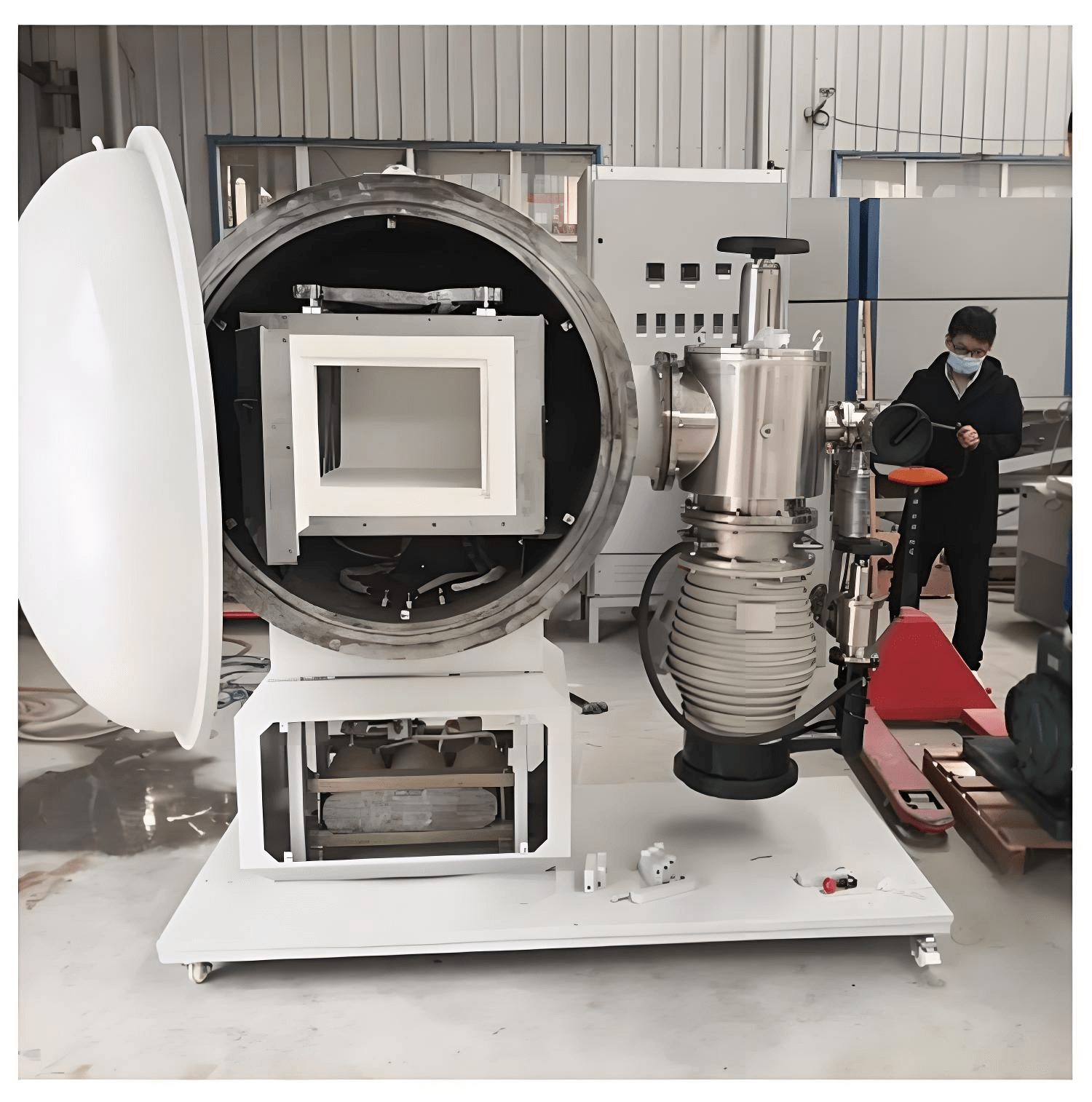
For clean and oxidation-free environments, used in aerospace and tool steels
Operate under nitrogen, hydrogen, endothermic or exothermic gas atmospheres
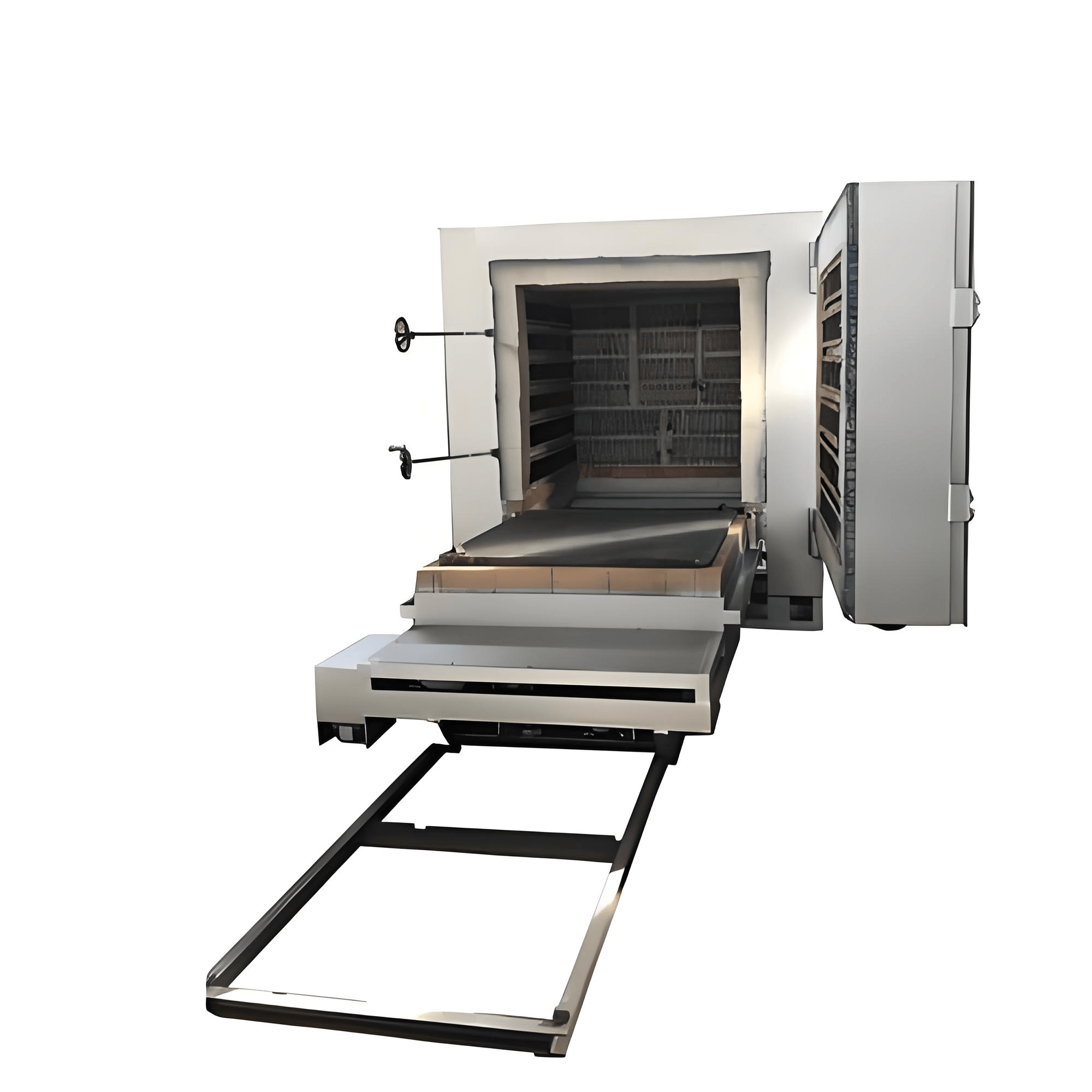
Suitable for long shafts and cylindrical components
For oversized or heavy-duty loads
Typically 400°C – 1300°C depending on material and process
Up to ±5°C with advanced multi-zone control
PLC or SCADA control systems with recipe management and data logging
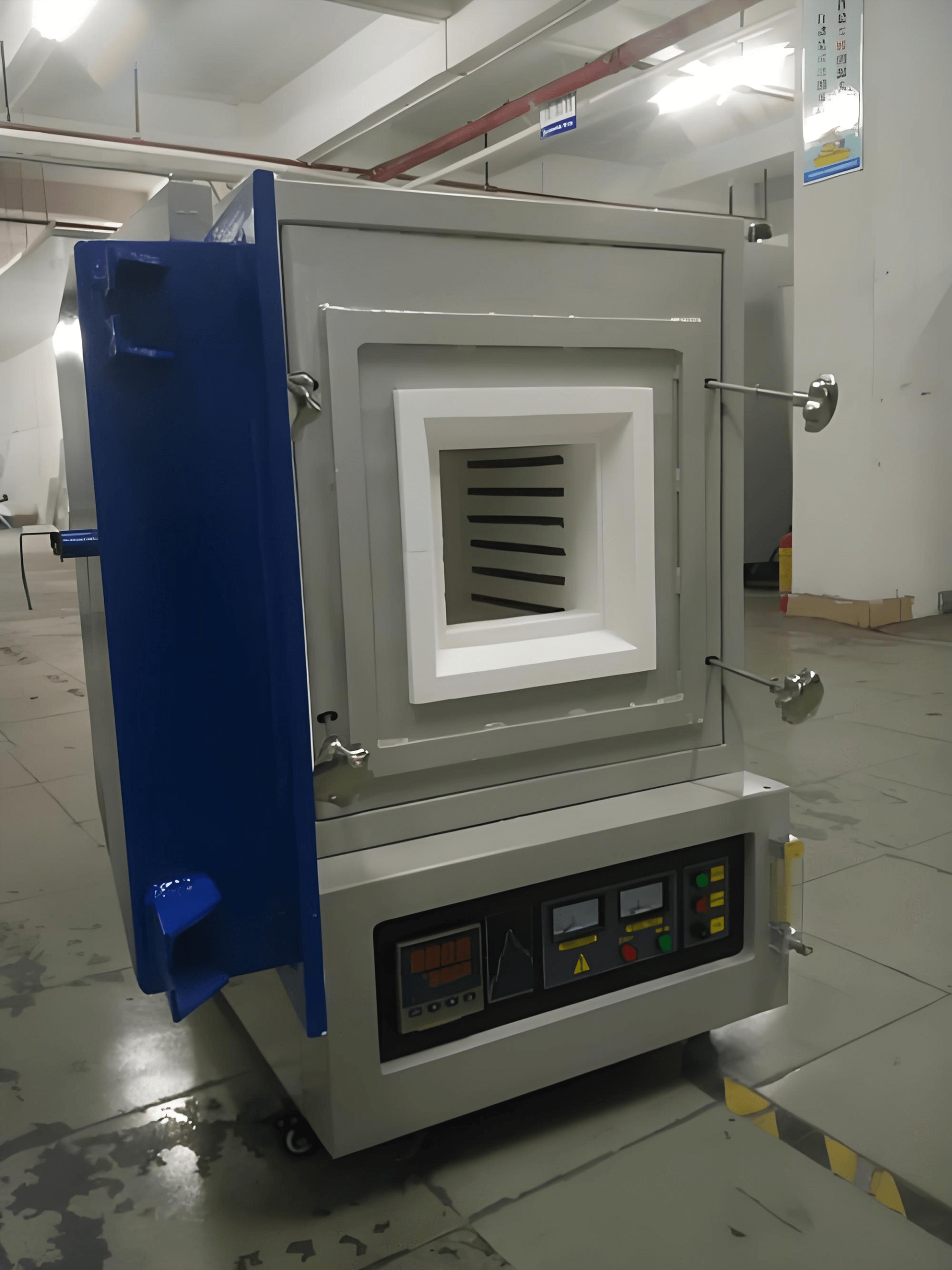
From small lab-scale units to industrial-scale systems
Ceramic fiber linings minimize heat loss and improve efficiency
Gas leak detection, emergency shutdown, and pressure control
Configurable for inert, reducing, carburizing, or vacuum environments
Tight control over time–temperature profiles ensures metallurgical consistency
Ideal for high-quality, standards-compliant production
Robust construction and top-tier components for long service life
Every system can be engineered to specific product geometry, production rate, and process needs
Energy-efficient designs reduce operational costs and environmental impact
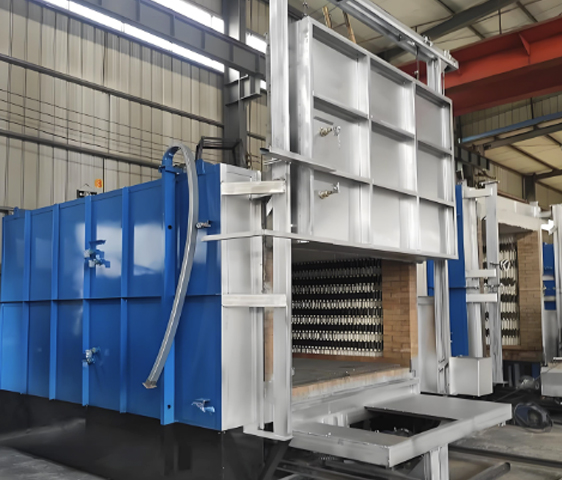
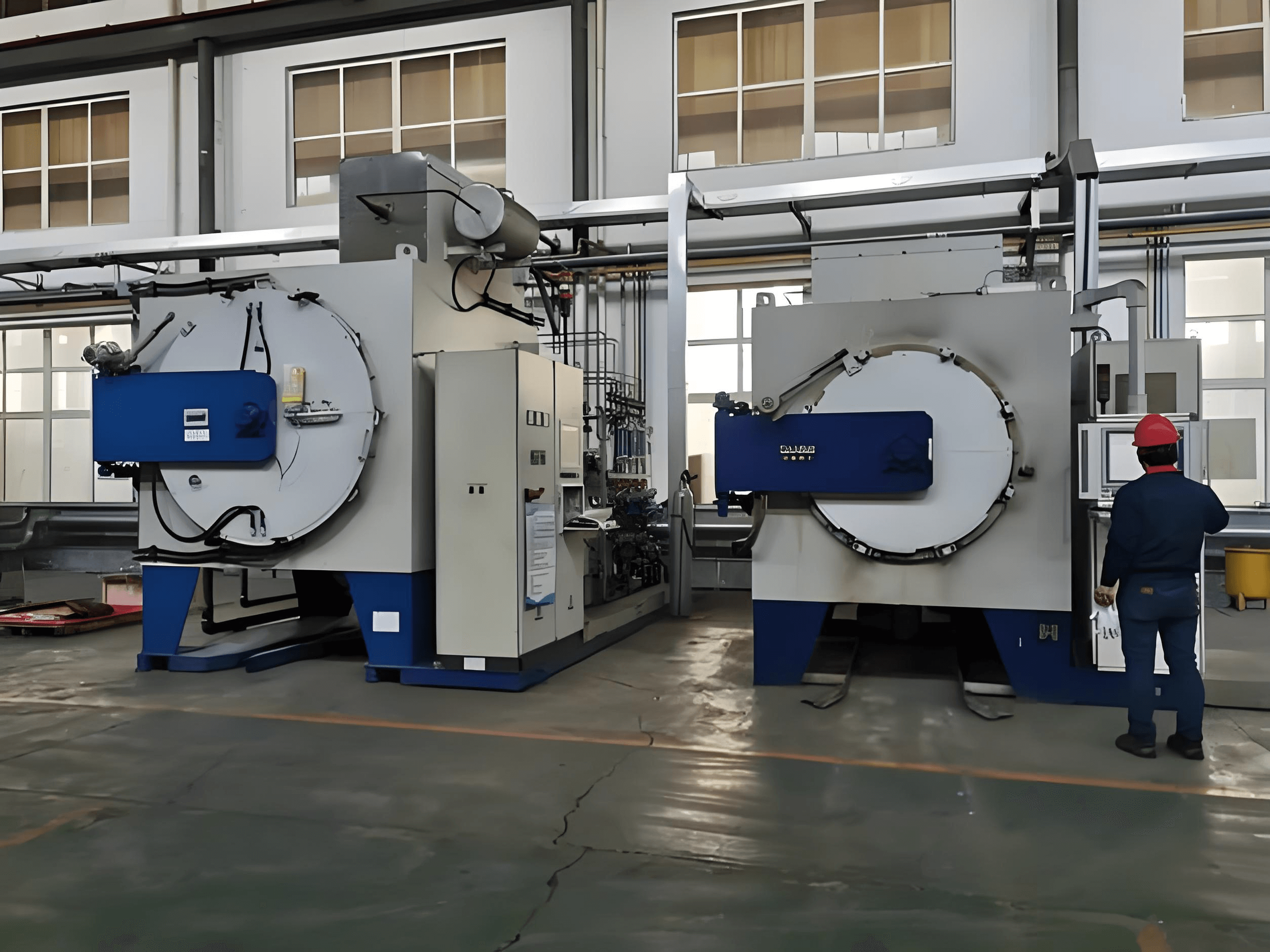
Heat Treatment Furnace

Heat Treatment Furnace

Heat Treatment Furnace

Heat Treatment Furnace

Heat Treatment Furnace

Heat Treatment Furnace


