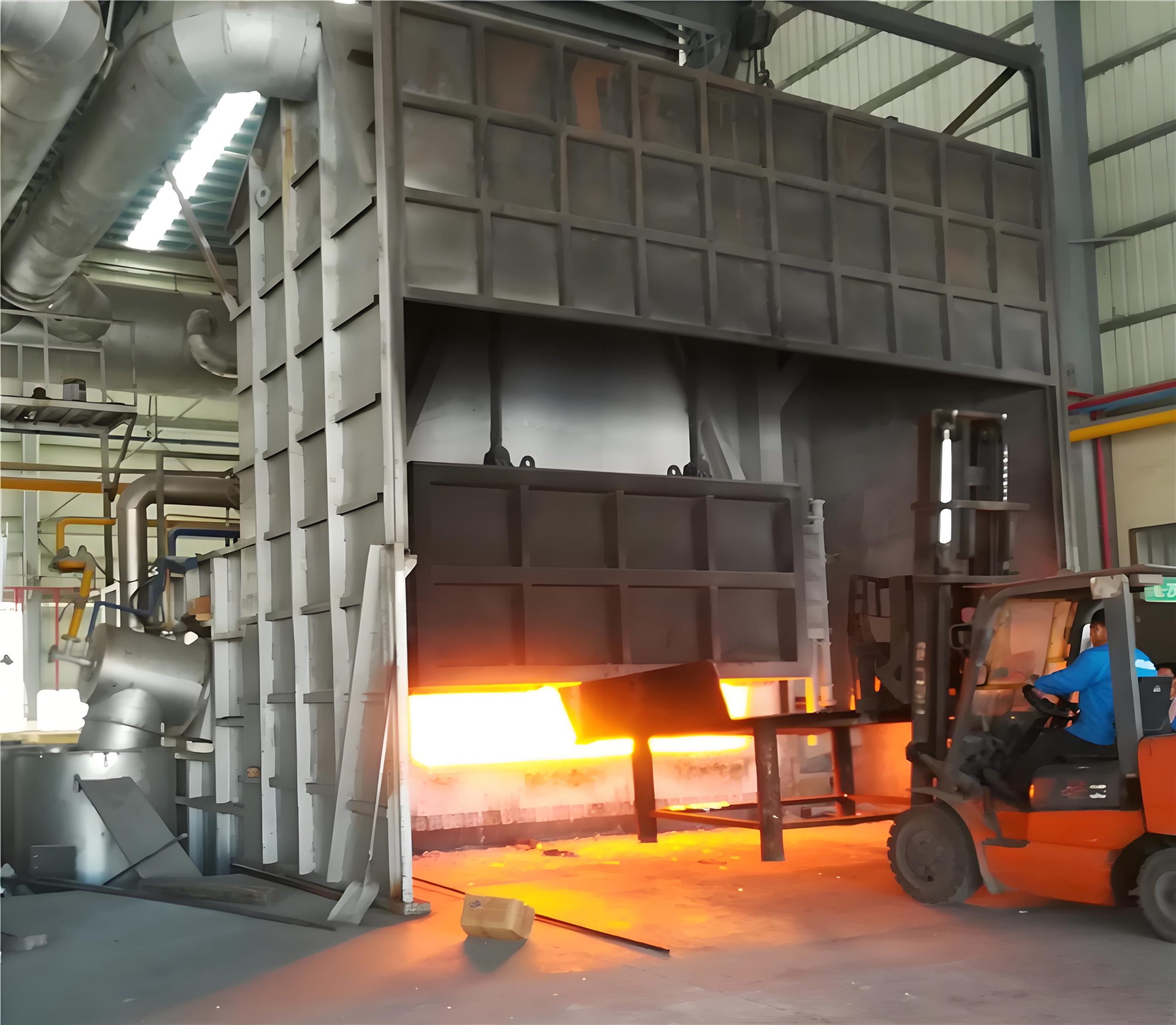
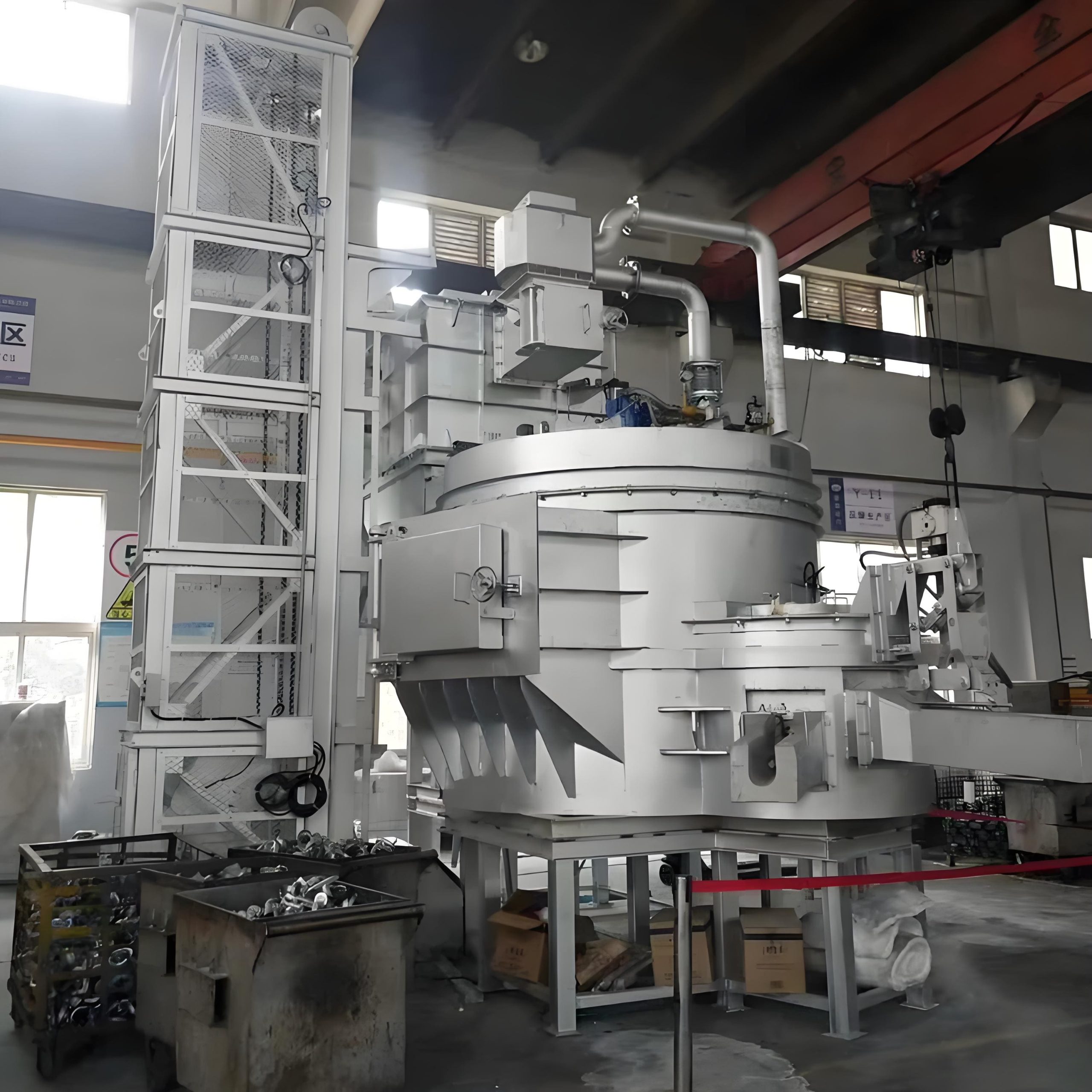
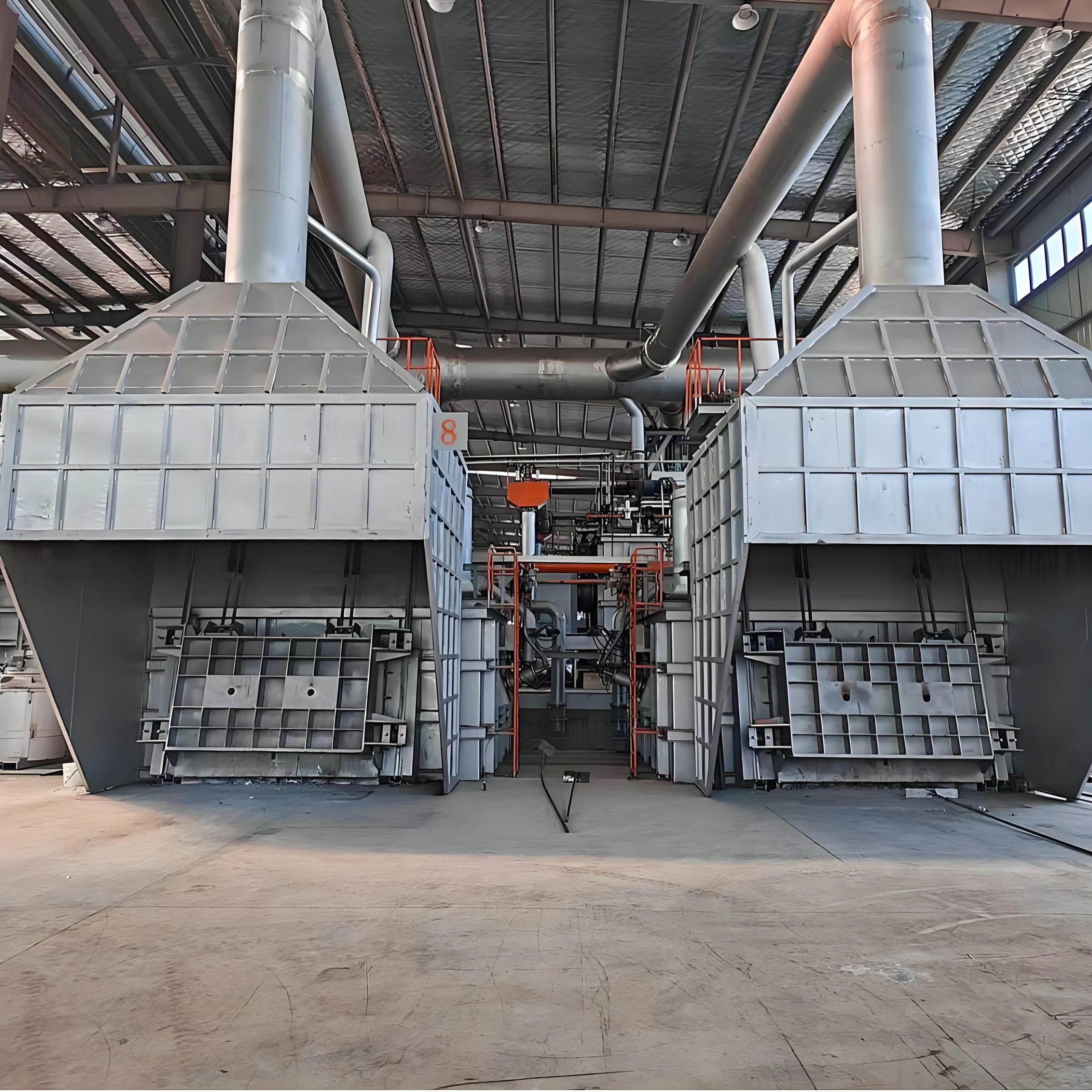
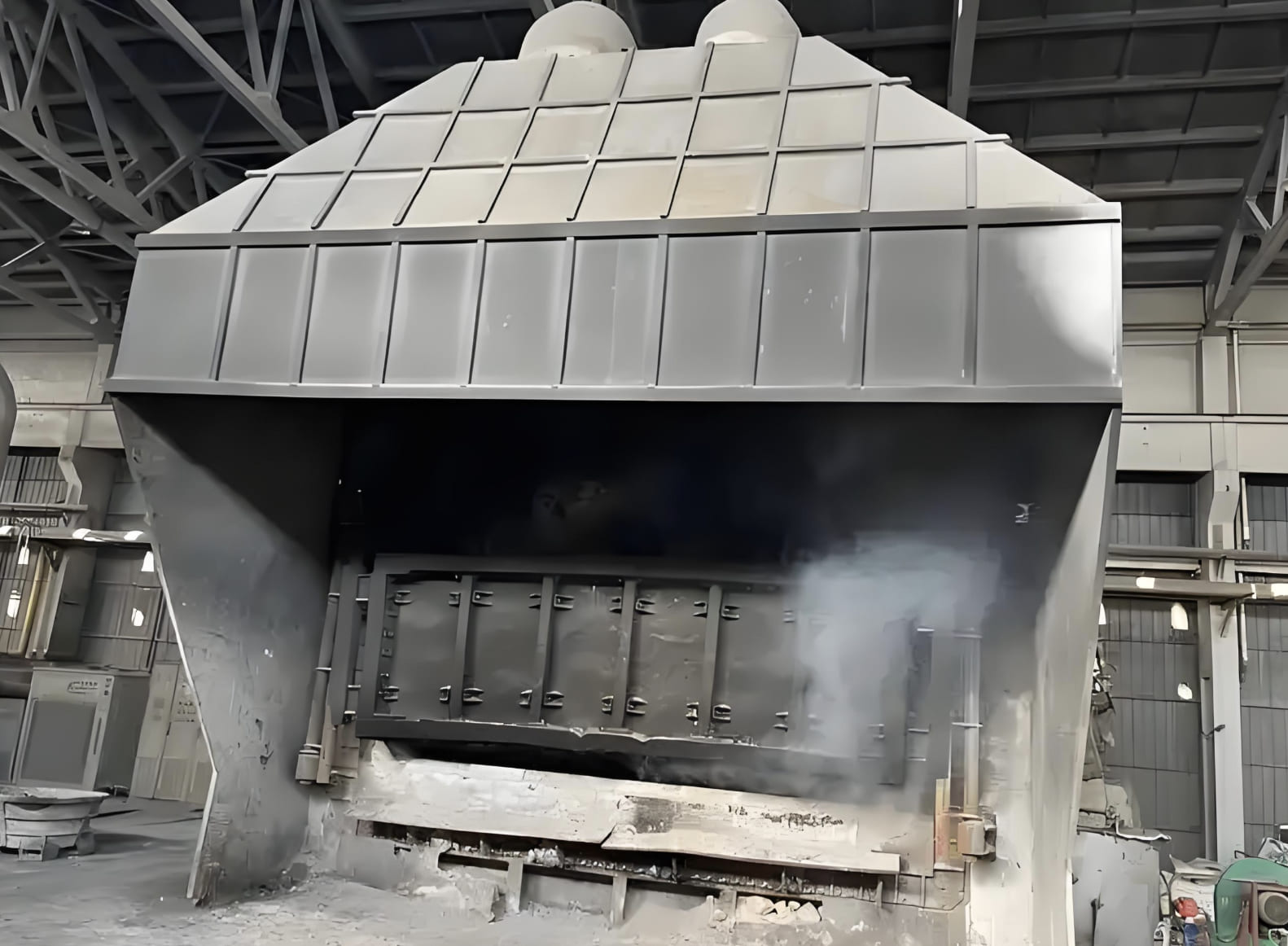
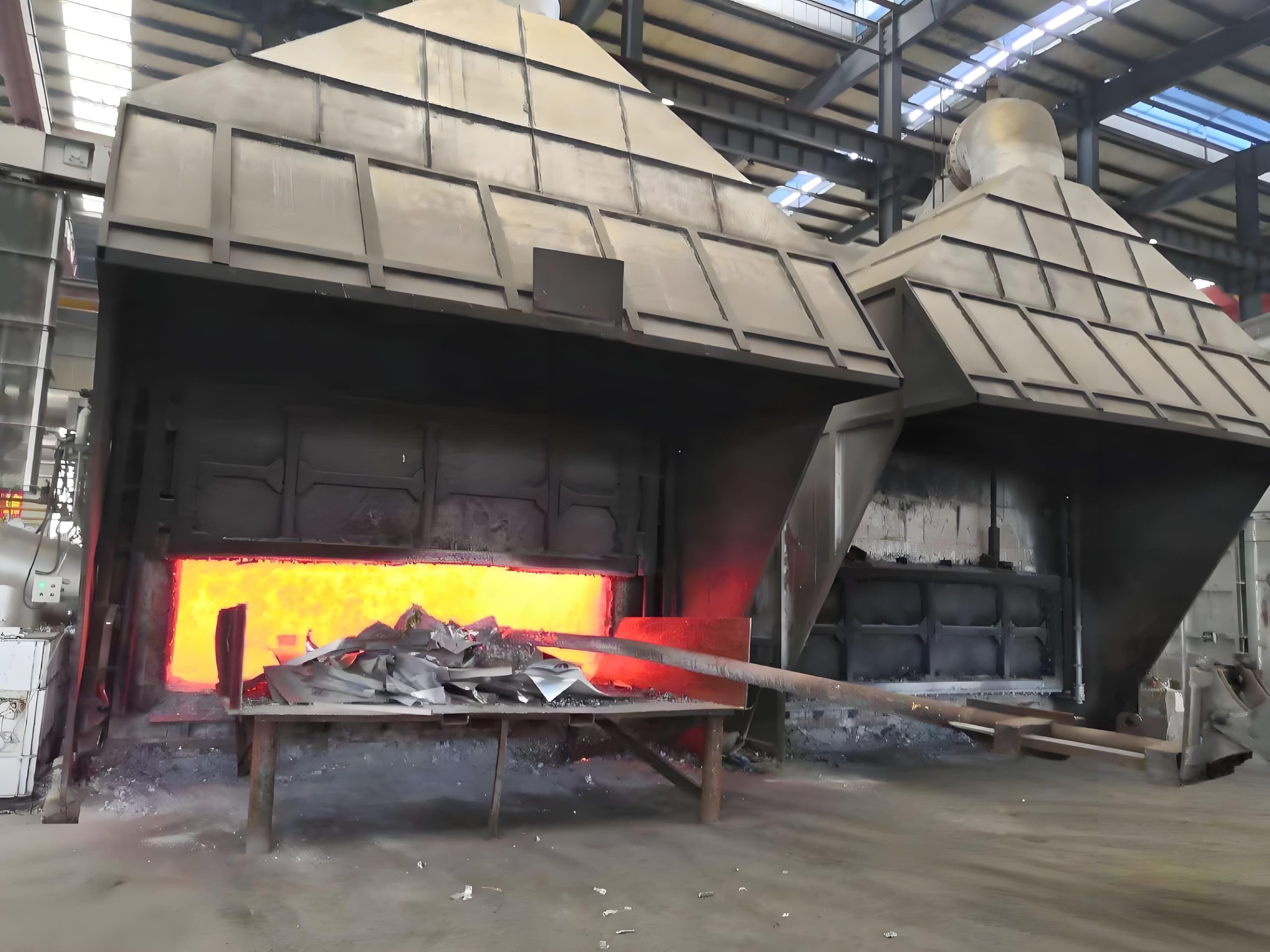
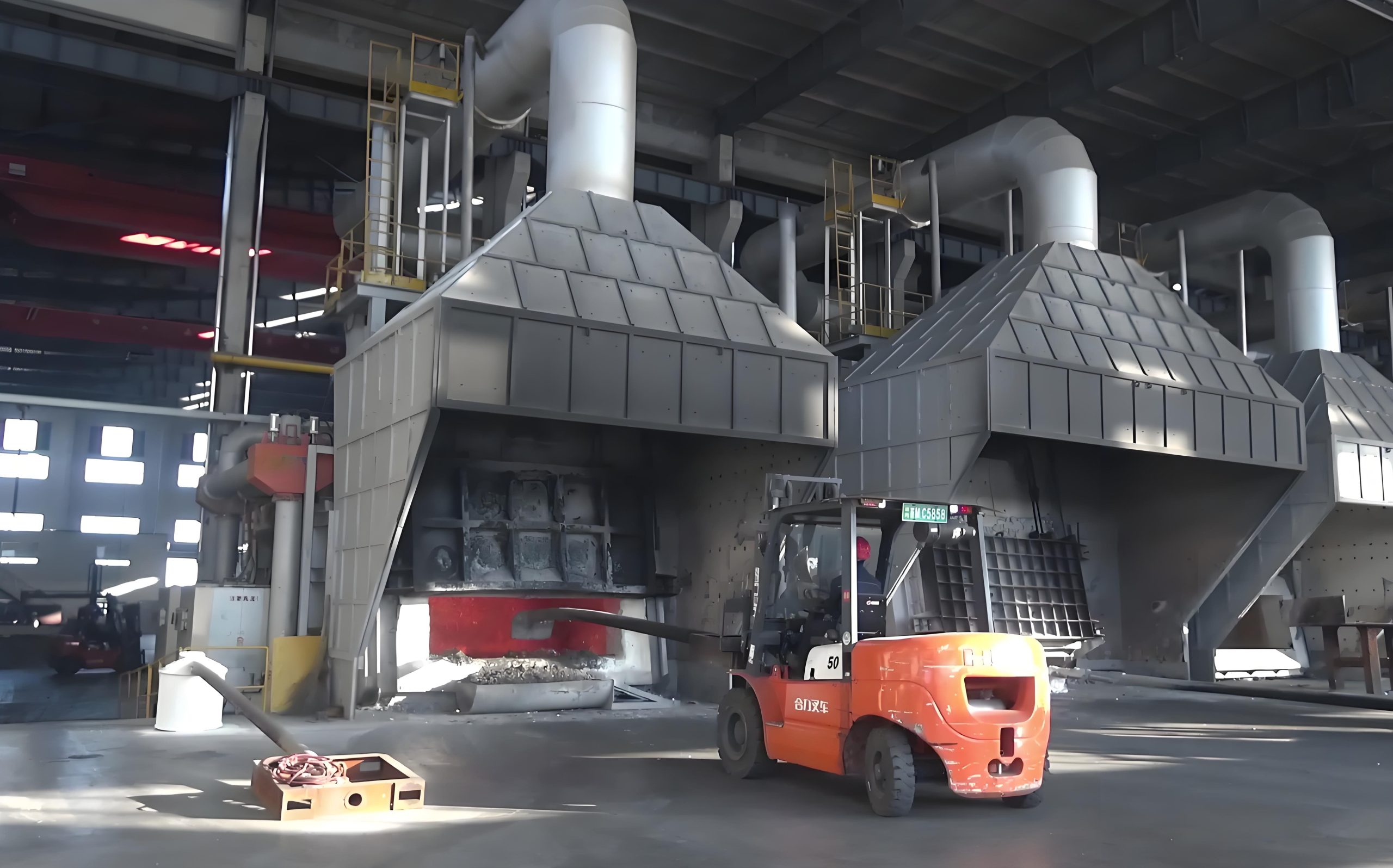
The melting chamber features ultra-low velocity burners, while the holding zone uses electric heaters to maintain precise temperatures and ensure uninterrupted casting operations.pplications.
The holding chamber is kept ~50 °C above the molten aluminum temperature, minimizing oxide formation and improving melt quality.
Designed to operate with L.D.O., F.O., producer gas, coal gas, natural gas, or LPG—adaptable to available energy sources at any plant.
Fuel consumption is just 75–90 L per ton of aluminum, with compact furnace dimensions, low maintenance needs, and optimized thermal insulation.ns.
| Parameter | Value |
| Capacity Range | 300 kg to 30 tons (customizable) |
| Melting Rate | Up to 1500 kg/h |
| Max. Operating Temp. | 1000 °C |
| Charging | Manual or hydraulic hatch |
| Discharging | Hydraulic tilting or tapping system |
| Fuel Consumption | Approx. 75–90 L/ton (fuel oil equivalent) |
Provides stable aluminum melt for die casting lines, improving cycle time and casting consistency.
Maintains a steady holding temperature to reduce casting defects caused by temperature fluctuations.
Offers sufficient residence time for alloy homogenization and degassing before pouring.
Hydraulic/manual tilt for flexible aluminum tapping.
Vertical design for enhanced thermal efficiency.
Ideal for small-batch alloy melting and precise temperature control.
Designed for continuous production in high-volume foundries.
Customized from 300 kg to 30 tons, with various configurations such as tilting, tower, or stationary type.
Supports conversions for alternative fuels, with options for regenerative heating and low-oxidation operation.
Integration with PLC/SCADA for temperature monitoring, level control, burner management, and process automation.
Engineered to meet CE, ISO 9001, and regional safety standards.
On-site installation, commissioning, and operator training are provided for turnkey deployment.


